 Featured
4 min read
How to Build Dark Mode with Design Tokens in React
A reliable dark theme starts with semantic tokens and deliberate component states, not a second list of inverted color values.
FeaturedA reliable dark theme starts with semantic tokens and deliberate component states, not a second list of inverted color values.
Showing 33 of 33 posts
 React
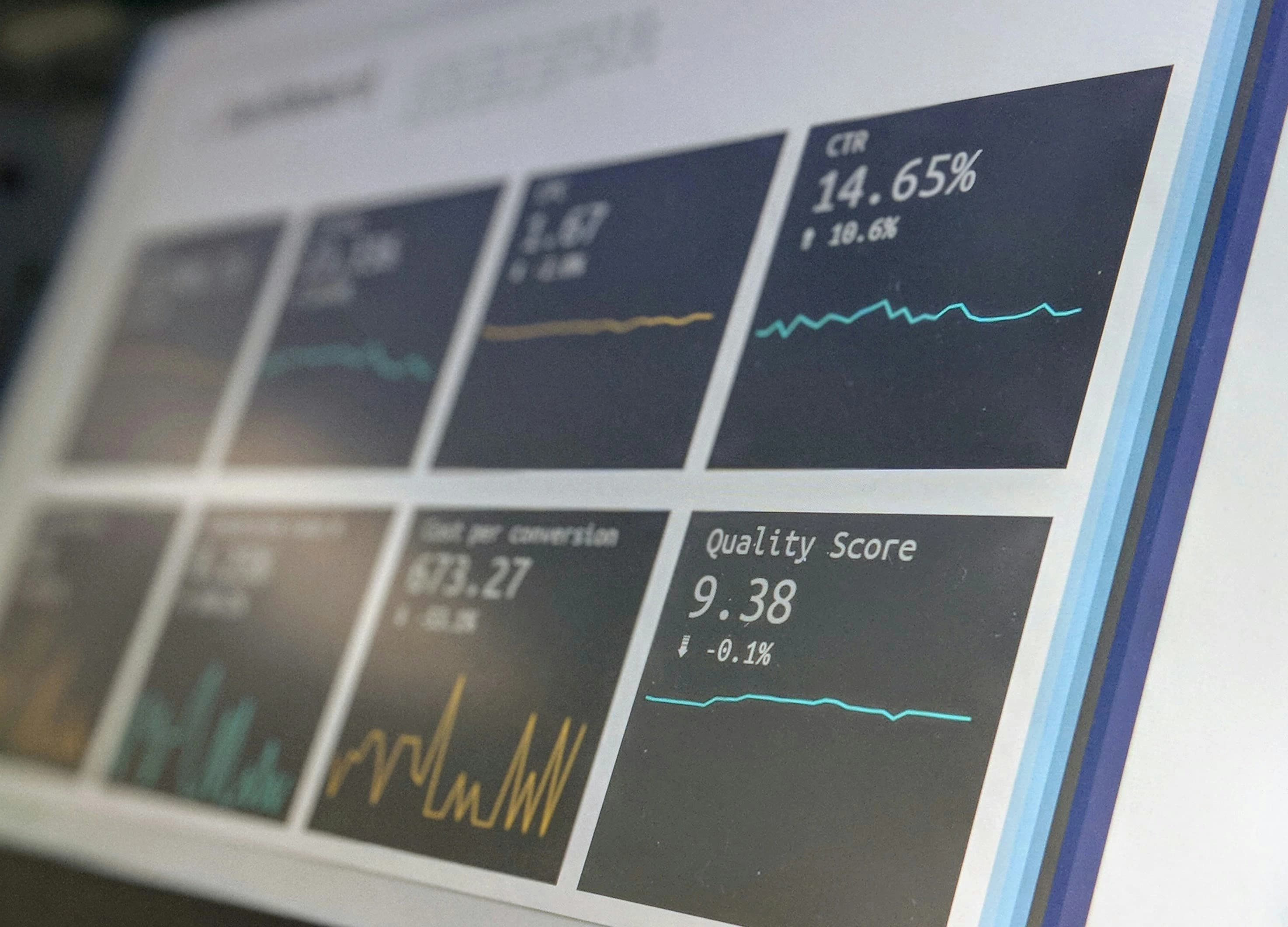
The in-between states of a dashboard deserve the same care as the finished charts, tables, and cards.
 Custom Web App
A useful project brief explains the people, decisions, and outcomes behind a web app without trying to design every technical detail in advance.
 React
Effective form validation is not just technically correct. It helps users understand, locate, and fix a problem without losing progress.
 Small Business
A redesign should improve how customers understand, trust, and contact a business—not merely replace one visual style with another.
 React
Good focus management makes dialogs and drawers predictable for keyboard and assistive-technology users.
 Client Portal
A useful client portal makes a few high-value tasks easier, communicates status clearly, and protects sensitive actions without becoming a second website.
 React
A repeatable React UI audit helps teams find usability problems, visual drift, and maintenance risks before they become expensive.
 Open Source
A free package is only a good foundation when its license, APIs, maintenance model, styling, and rendering behavior also fit your application.
 Freelance Web Development
Reusable components help freelancers protect their margins, improve consistency, and spend more time on the work that makes each client project valuable.
 React
The right component library accelerates a SaaS MVP by standardizing foundations while leaving the team focused on the workflow customers are paying to use.
 React
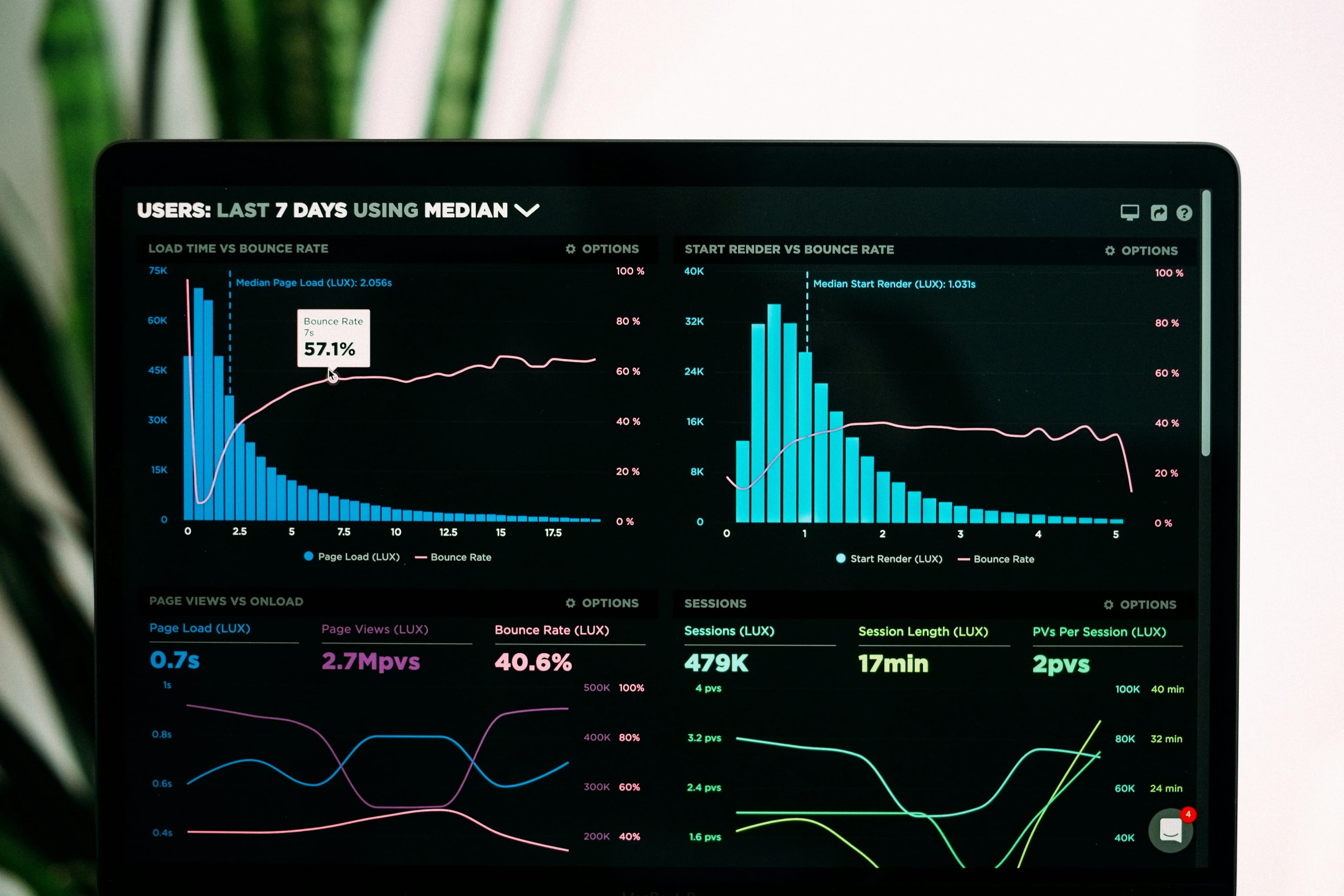
Accessible charts communicate the same conclusion through labels, structure, colour-safe encoding, and alternatives that work beyond the visual graphic.
 React
A component-library migration can proceed route by route when teams separate product patterns from vendor APIs and prioritize the highest-value foundations.
 React
A strong app shell keeps navigation, landmarks, responsive behavior, and route content consistent without turning the whole Next.js layout into client code.
 React Dashboard
A dashboard library should solve the complete product surface, from navigation and metrics to tables, charts, loading states, and responsive layouts.
 Small Business
Choose the simplest website approach that supports your customers, budget, and plans without creating unnecessary work.
 Next.js
The best Next.js UI library is not simply the one with the most components. It should fit the App Router, rendering model, design system, and team workflow.
 React
A permanent fork gives you control, but it also gives your team every upstream merge, bug fix, and release decision. Start with supported customization layers instead.
 React
Accessible data tables need more than rows and columns. Structure, headers, sorting, focus, responsive behavior, and state announcements all matter.
 React
Design tokens turn repeated visual decisions into a shared system that React components, themes, documentation, and product teams can understand.
 React
Component-library performance is determined by what an application ships and executes, not by a single package-size number on a registry page.
 React
A practical checklist for evaluating accessible React component libraries before you commit to one in production.
 React
Accessible React forms depend on more than inputs. Labels, helper text, error messaging, and aria-describedby all work together.
 React
Developers do not have to choose between generic corporate UI and hand-building every component from scratch.
 React
Accessible React components start with semantic HTML, predictable keyboard support, clear labels, and visible interaction states.
 Design Systems
A design system does not need to begin with a blank file. Start with reusable foundations, then customize the parts that make your product distinct.
 Next.js
Styling architecture matters when a Next.js component library needs server rendering, theme control, and predictable customization.
 Next.js
 App Router works best when component libraries respect the split between server-rendered content and client-side interaction.
 React
React UI libraries differ most in visual opinion, ownership model, accessibility approach, and how much design-system work they leave to your team.
 SCSS
SCSS still has a strong role in React component libraries when it is paired with tokens, CSS variables, and predictable APIs.
 React
Vite makes React setup fast, but a component library still needs the right package imports, global styles, and theme provider wiring.
 Next.js
Theme flashes happen when the server-rendered UI and hydrated client theme disagree. A better setup starts before hydration.
 Next.js
A themeable Next.js UI library should support server rendering, client interaction, design tokens, and predictable customization.